Signature Marks 20 Years of Relationship-Driven Banking

Signature, a division of Esquire Bank, is celebrating 20 years of serving privately held businesses, their owners and their families, marking two decades of relationship-driven banking that began in Chicago in 2006 and has grown into one of the Midwest’s fastest-growing commercial banking franchises.

“Twenty years ago, we set out to build a different kind of financial institution, one where relationships and trust mattered as much as the numbers,” said Mick O’Rourke, President of Signature, a division of Esquire Bank, N.A. “That philosophy has shaped every chapter of our growth. As we celebrate this milestone, we’re proud of what we’ve built and deeply grateful to the clients and colleagues who built it with us. While banking continues to evolve and new opportunities lie ahead, our commitment to putting relationships first will remain at the center of everything we do.” 

A Track Record of Growth, Performance and Staying Power

From its first office in Chicago to its expanded presence across the Chicago and Wisconsin markets, Signature has grown by pairing big-bank capabilities with community-bank service. Over the past year alone, Signature earned several industry accolades demonstrating ongoing success and momentum.

That performance has been accompanied by ongoing investment in capabilities that help clients operate more efficiently and plan for the long term. In 2025, Signature enhanced its digital banking platform to improve speed, security and efficiency for its clients’ day-to-day operations and cash management. Signature also expanded its wealth management offering and, in January, launched Signature Trust Company in partnership with Midwest Trust, extending its ability to support clients with estate, fiduciary and legacy planning.

“These investments reflect our approach over the past 20 years, continuously adapting and expanding our capabilities to meet the needs of our customers and their businesses,” said Bryan Duncan, Executive Vice President of Signature, a division of Esquire Bank, N.A. “From enhancing digital banking tools to expanding into trust and estate services, our focus is on making it easier for customers to manage their businesses while planning confidently for the future. Our role is to bring those capabilities together in a way that feels easily accessible while delivering the relationship-driven, high-touch service our customers expect.”

Celebrating 20 Years Through Stories, Clients and Community

Signature’s milestone will be celebrated by reflecting on the impact it has made on the people, businesses, and communities it serves, bringing stories to life with an anniversary-themed brand campaign. 

“20 Years, 20 Stories” spotlights untold tales about what it takes to open their doors for the very first time and gain traction as a new brand; employee perspectives on the formula for building enduring relationships with clients and local charities; and real-world client partnerships, often at pivotal moments of transition, investment or reinvention. New stories will be continuously rolled out throughout the rest of the year. 

“As the industry continues to shift, we believe the banking institutions that endure are the ones that stay true to why they were built in the first place,” said Kevin Bastuga, Executive Vice President of Signature, a division of Esquire Bank, N.A. “From day one, our focus has been on relationships,  earning trust and delivering exceptional service for our clients by understanding their full story. That’s what shaped our first 20 years, and it’s what will carry us forward into the next chapter.”

Looking Ahead 

The 20th anniversary marks both a celebration and a turning point. Over the past two decades, Signature has built its business on long-term relationships, accessible leadership and a hands-on approach to serving clients – remaining consistent even as markets, industries and client needs have evolved. This foundation will continue guiding Signature into its next chapter as it continues to help clients navigate change, pursue growth opportunities and plan for the future with confidence.

Community roots, lasting impact

Since 2006, Signature has supported more than 1,000 organizations while strengthening the communities it serves


When Signature was founded in 2006, its mission centered on building meaningful relationships with business owners and entrepreneurs. But from the beginning, our founders also believed a strong bank should contribute to something larger than its balance sheet.

Communities thrive when businesses, nonprofits and community organizations work together. Over the past two decades, Signature has embraced that responsibility by supporting organizations that expand opportunity, strengthen neighborhoods and help individuals build brighter futures.

A philosophy rooted in relationships

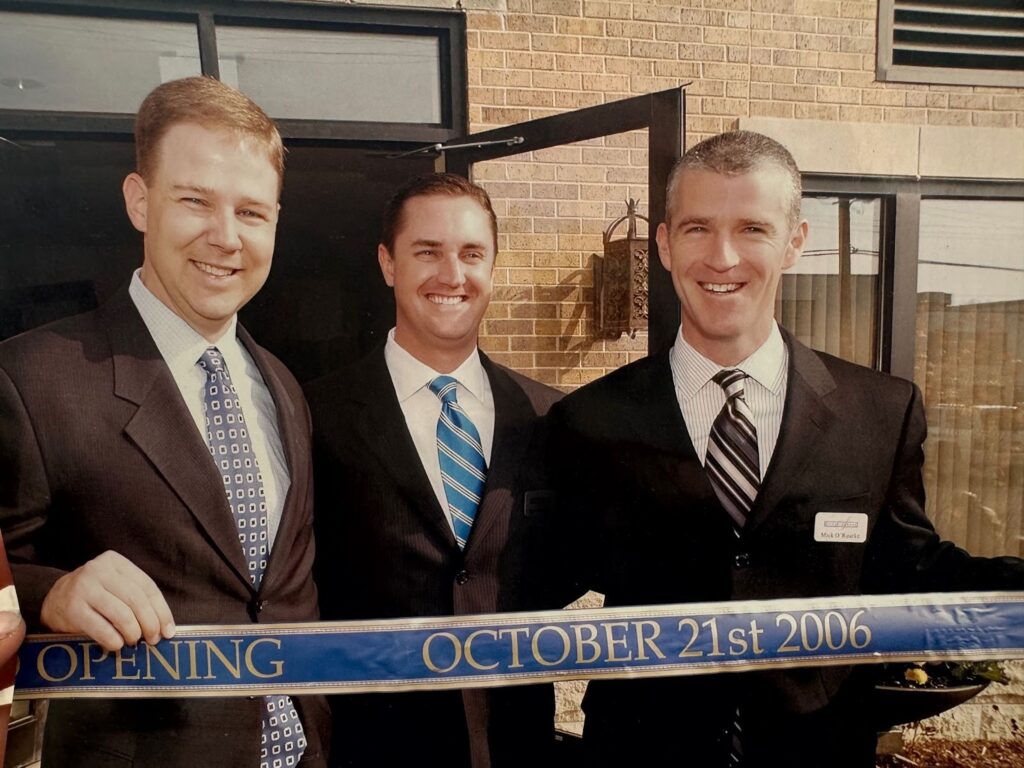
Executives Mick O’Rourke, Kevin Bastuga and Bryan Duncan guide the bank on the idea that relationships should extend beyond transactions. That same principle shapes how the bank engages with the communities where its clients and employees live and work.

“From the beginning, we wanted Signature to be the kind of financial institution that shows up for the communities it serves,” said Bryan Duncan, Executive Vice President of Signature, a division of Esquire Bank, N.A. “When the communities around us grow stronger, the businesses we serve grow stronger too. That’s why supporting local organizations has never been separate from our work – it’s part of how we build lasting relationships.”

Over the years, Signature’s charitable giving has touched a wide range of causes, from education and youth development to disability services and food access. Many of those efforts have grown into long-standing partnerships built through consistent involvement and a shared commitment to making a difference.

Meaningful partnerships close to home

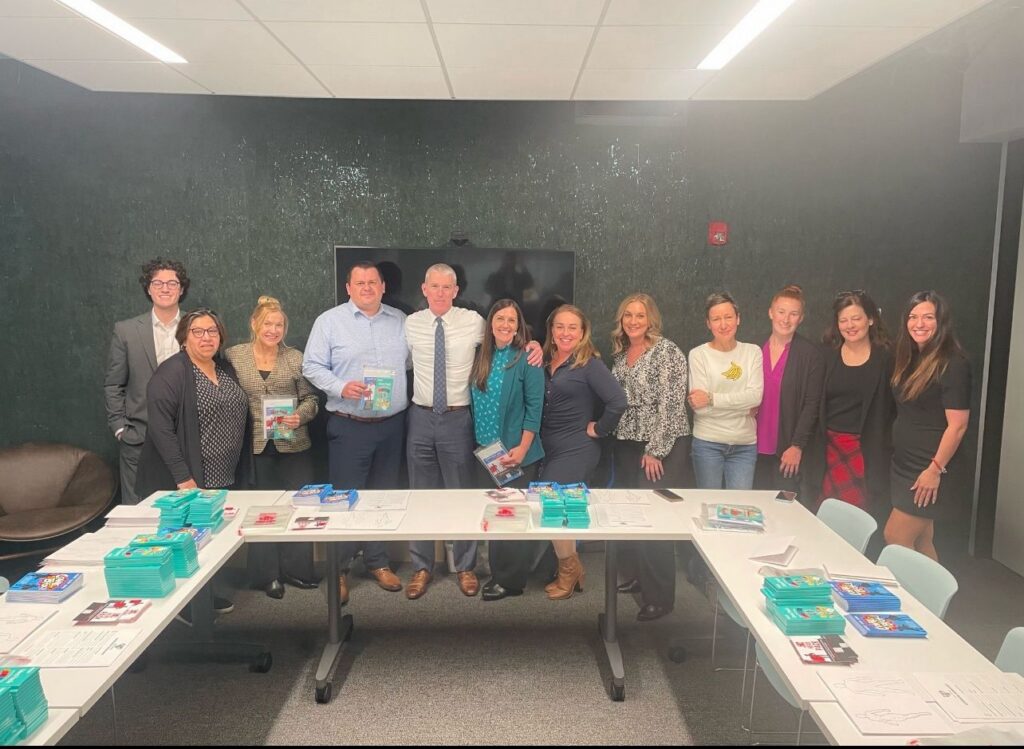
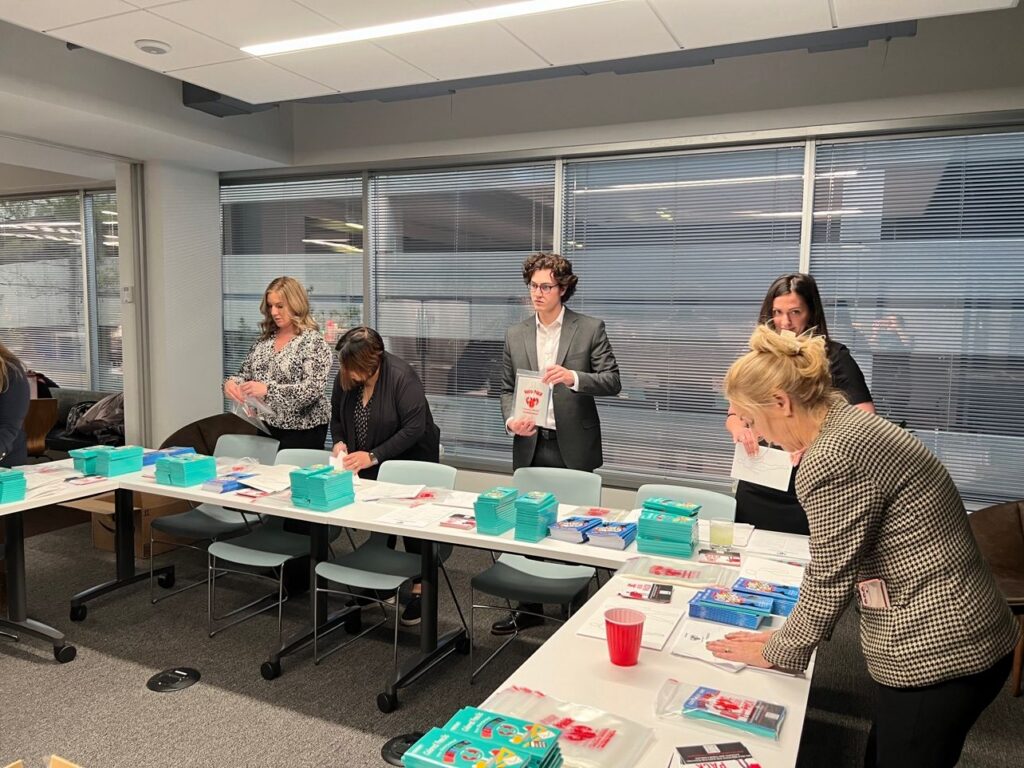
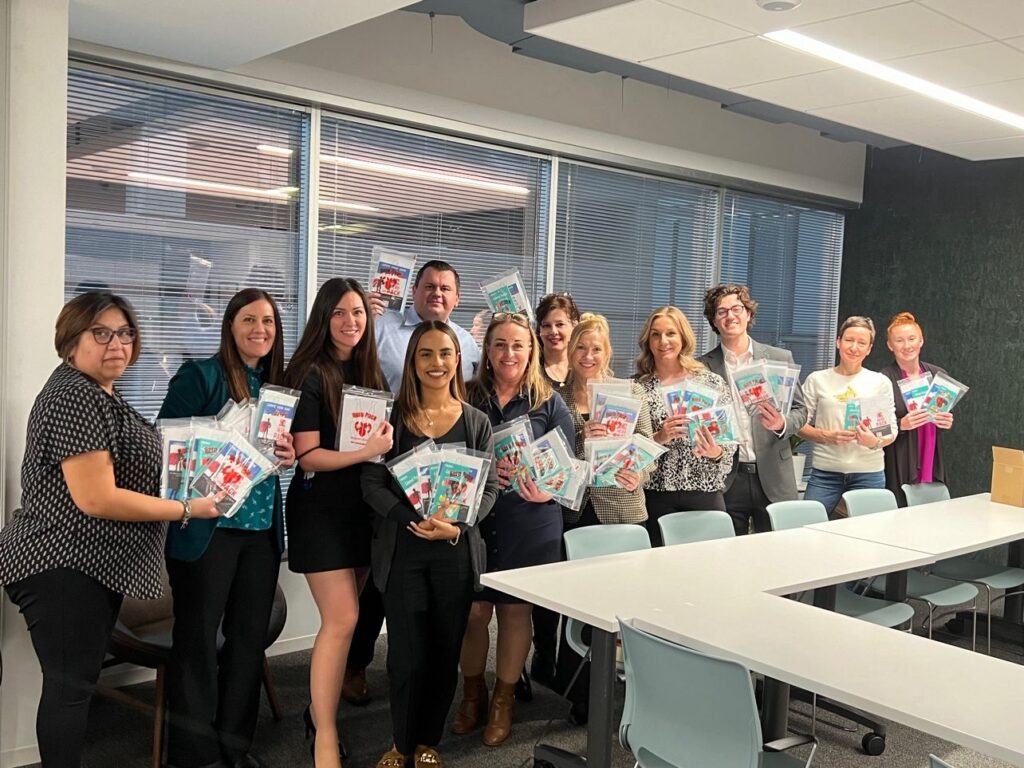
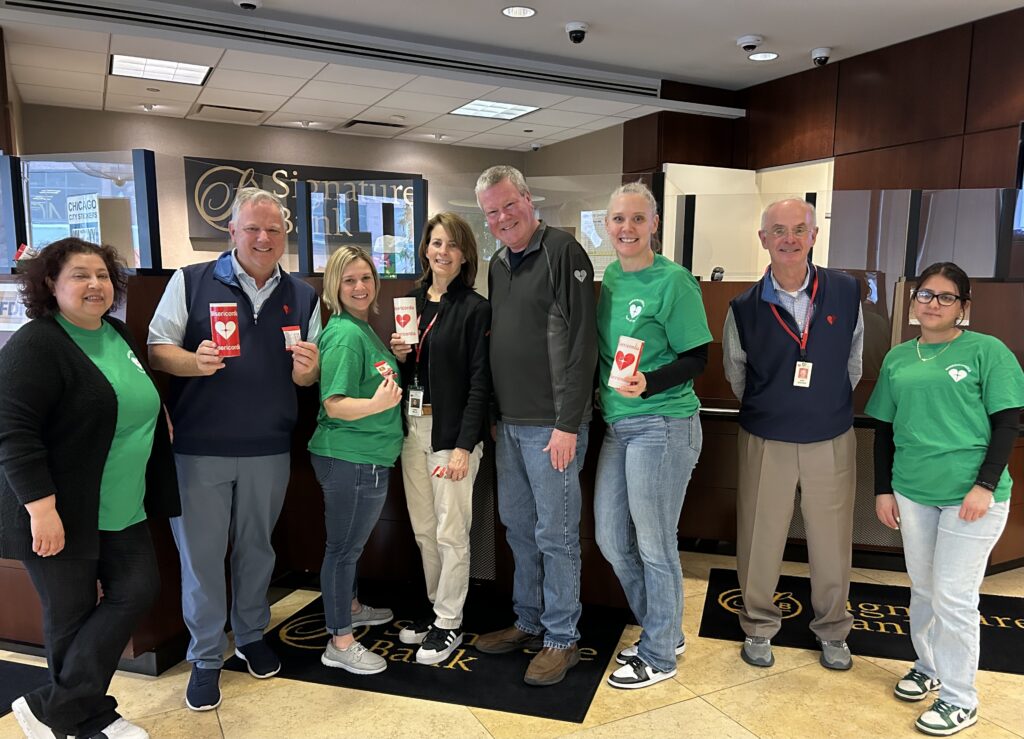
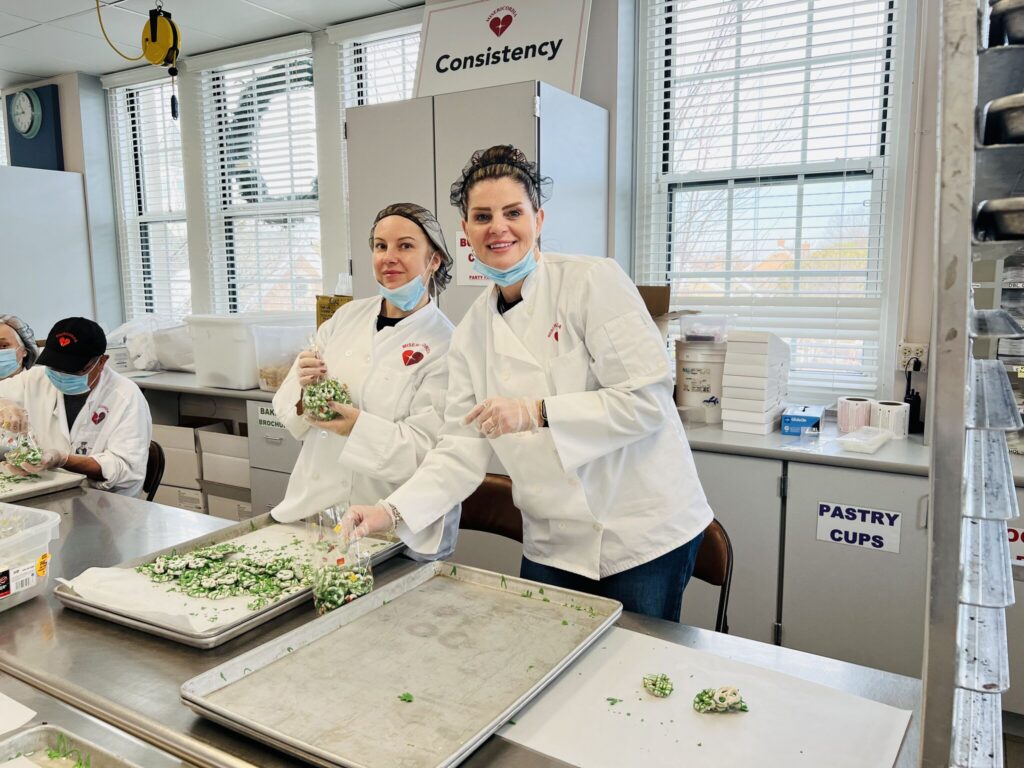
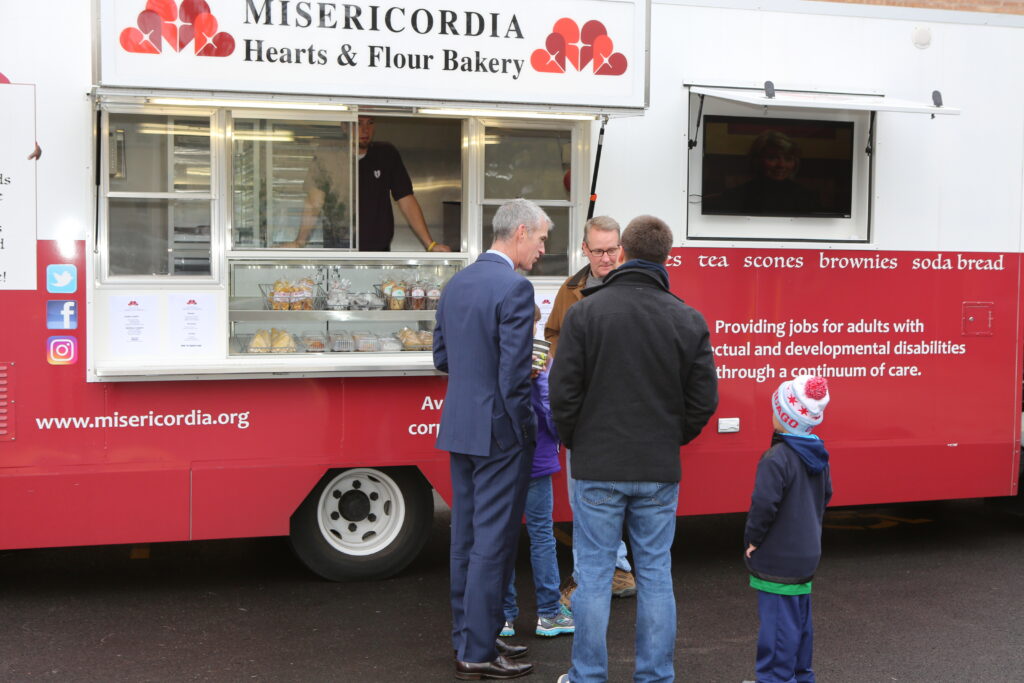
Some of those partnerships have become especially personal. Misericordia Heart of Mercy, a Chicago nonprofit providing residential and support services for children and adults with intellectual and developmental disabilities, has long been close to the team’s heart. Employees have supported Misericordia through financial contributions, volunteer efforts and its Candy Days fundraiser, with the downtown branch serving as a counting station where volunteers gather, track donations and share a meal together.

The Evans Scholars Foundation, which provides full college scholarships and housing to hardworking caddies with financial need, holds that same kind of deep personal significance. The connection runs deep: several employees are proud Evans Scholars themselves, and Mick O’Rourke, President of Signature, a division of Esquire Bank, N.A., serves as Treasurer of the Western Golf Association/Evans Scholars Foundation. The team regularly participates in WGA and Evans Scholars Foundation fundraising events, including golf invitationals and the annual Green Coat Gala, helping support scholarships for students across the country.


“Education opens doors that can change the trajectory of someone’s life,” said O’Rourke. “Organizations like the Evans Scholars Foundation create those opportunities. When we support causes like this, we are investing in future leaders, and that has always felt like the right thing to do.”

Expanding the impact

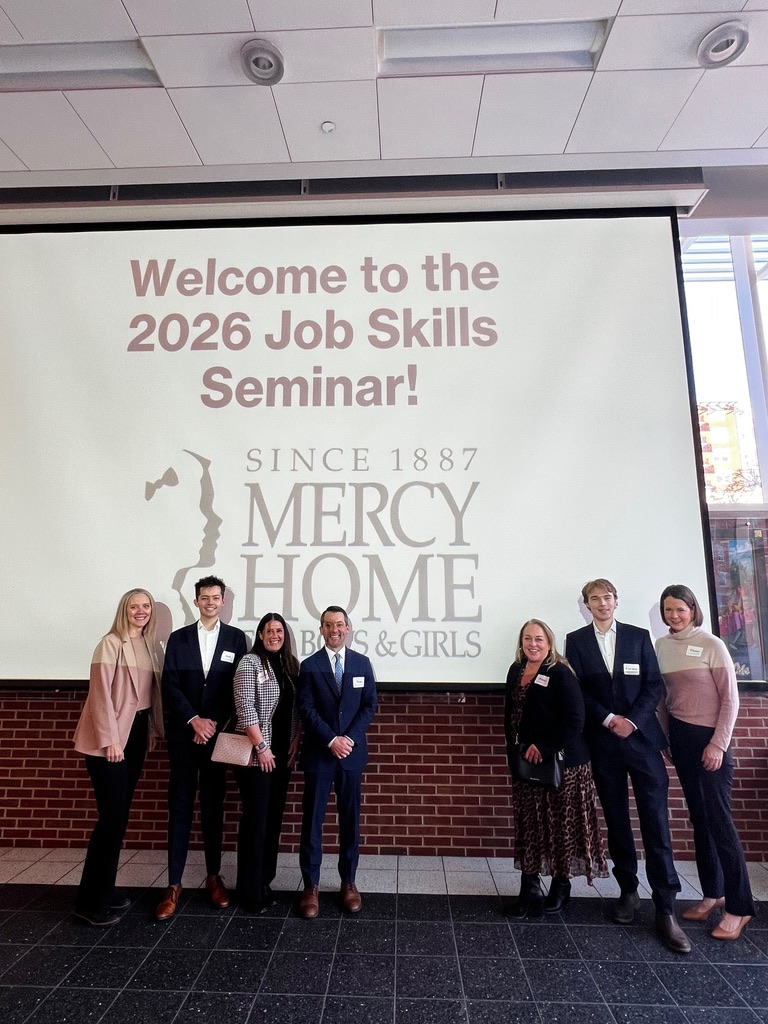
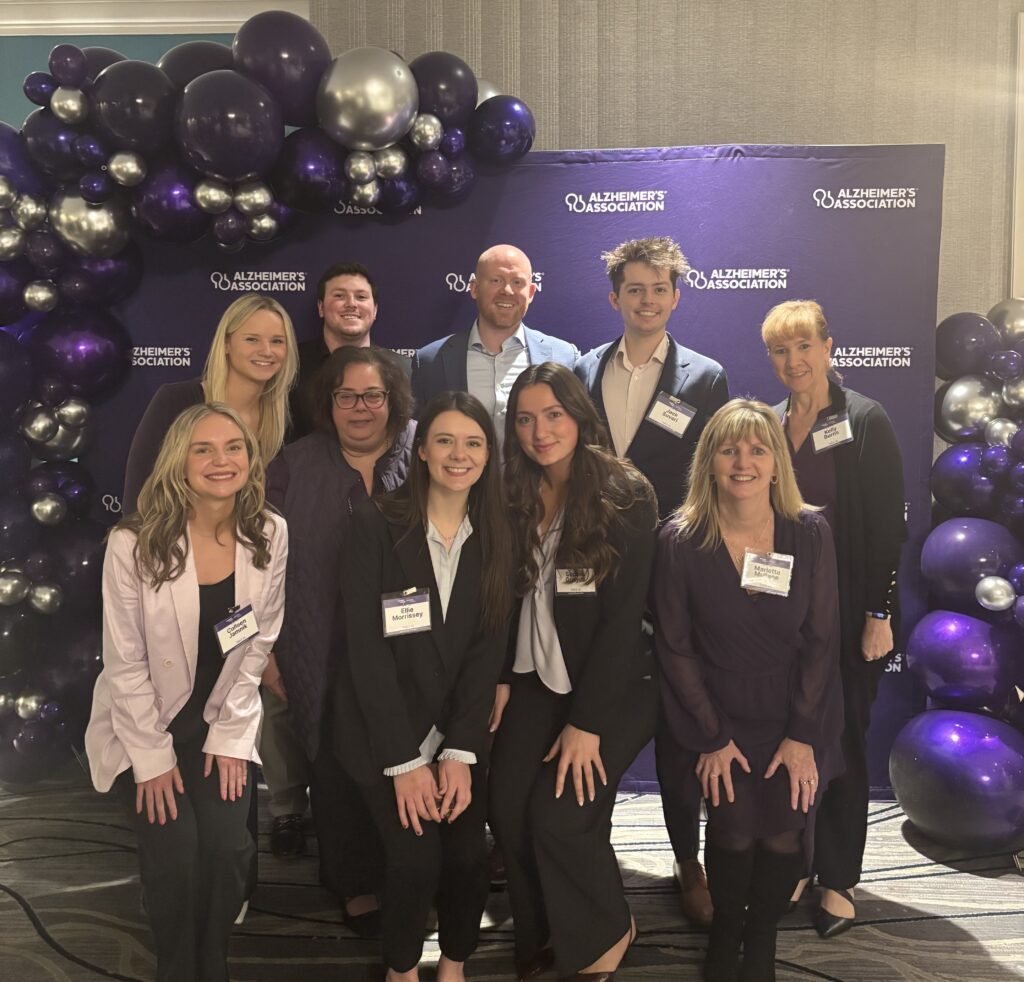
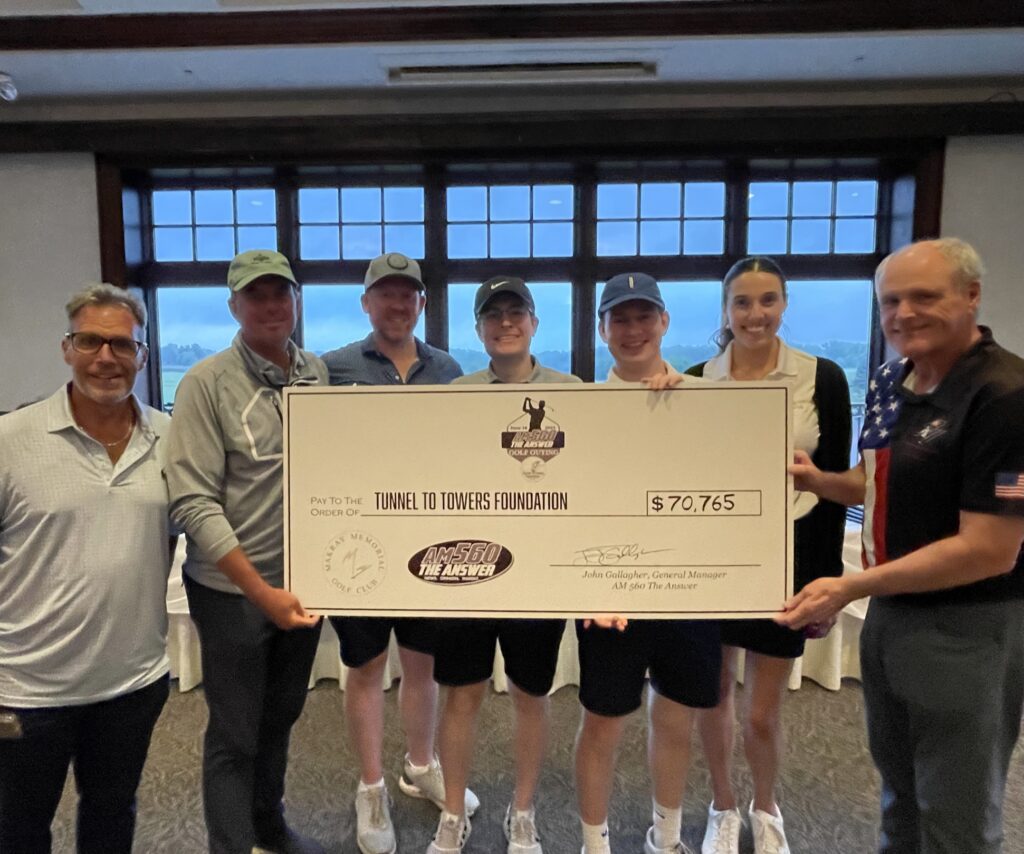
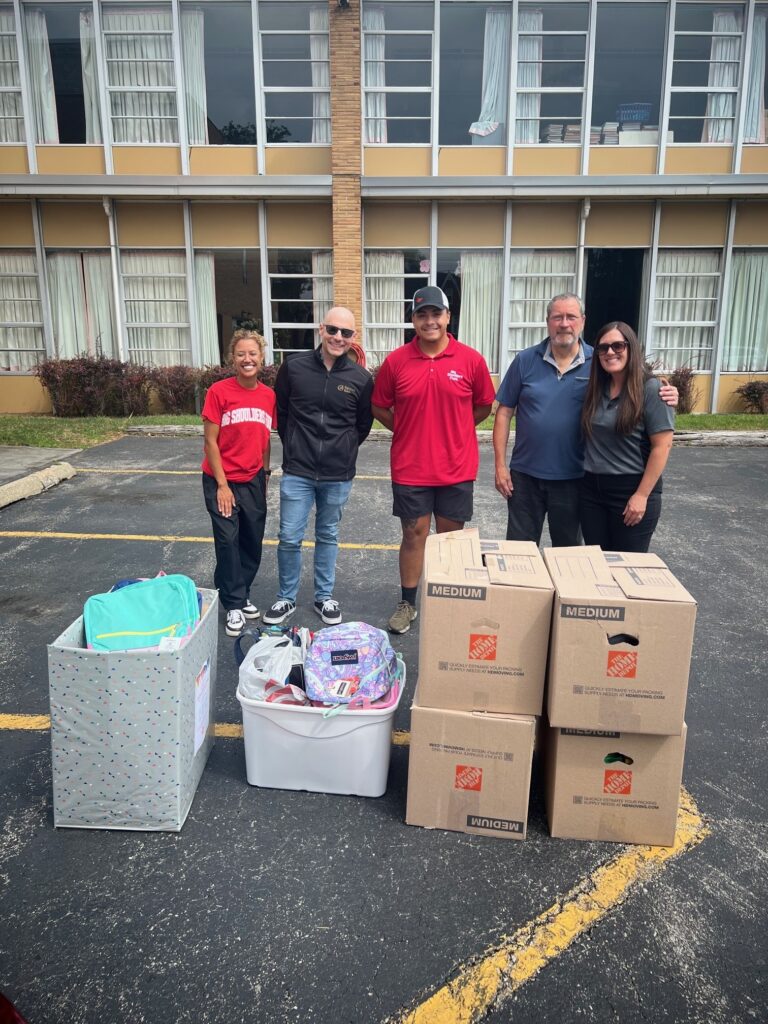
Signature’s community presence extends well beyond its closest partnerships. The financial institution has been a long-time supporter of Big Shoulders Fund, which strengthens Chicago’s network of Catholic schools in underserved communities through scholarships, school support and volunteer efforts. Employees have also participated in Mercy Home for Boys & Girls Job Skills Seminars, helping young people prepare for interviews and future careers. And over the years, charity golf tournaments have offered another way to give back, with employees supporting organizations such as Tunnel to Towers Foundation, the Alzheimer’s Association, Boys Hope Girls Hope and others.

A culture of giving back

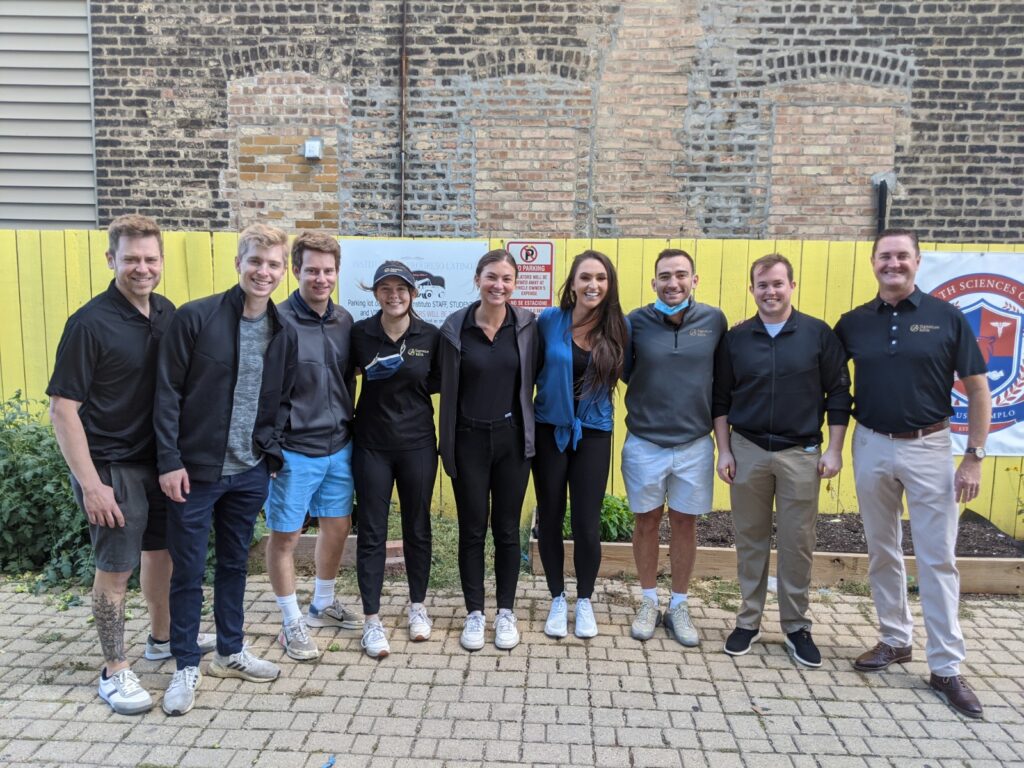
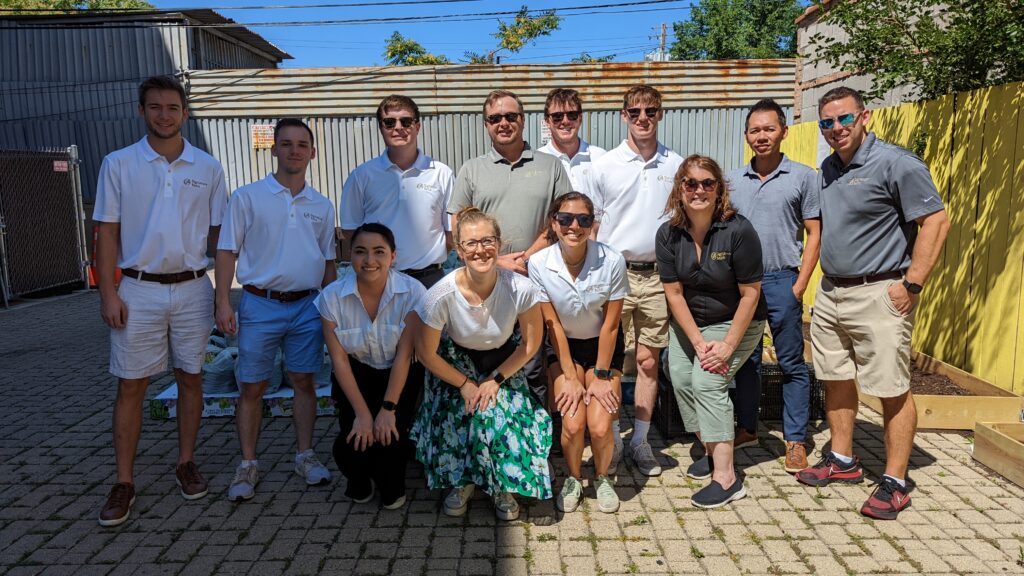
“Some of the most rewarding moments for our team come from volunteering together,” said Kevin Bastuga, Executive Vice President of Signature, a division of Esquire Bank, N.A. “When you spend time with the people these organizations serve, it reminds you why showing up in person matters.”

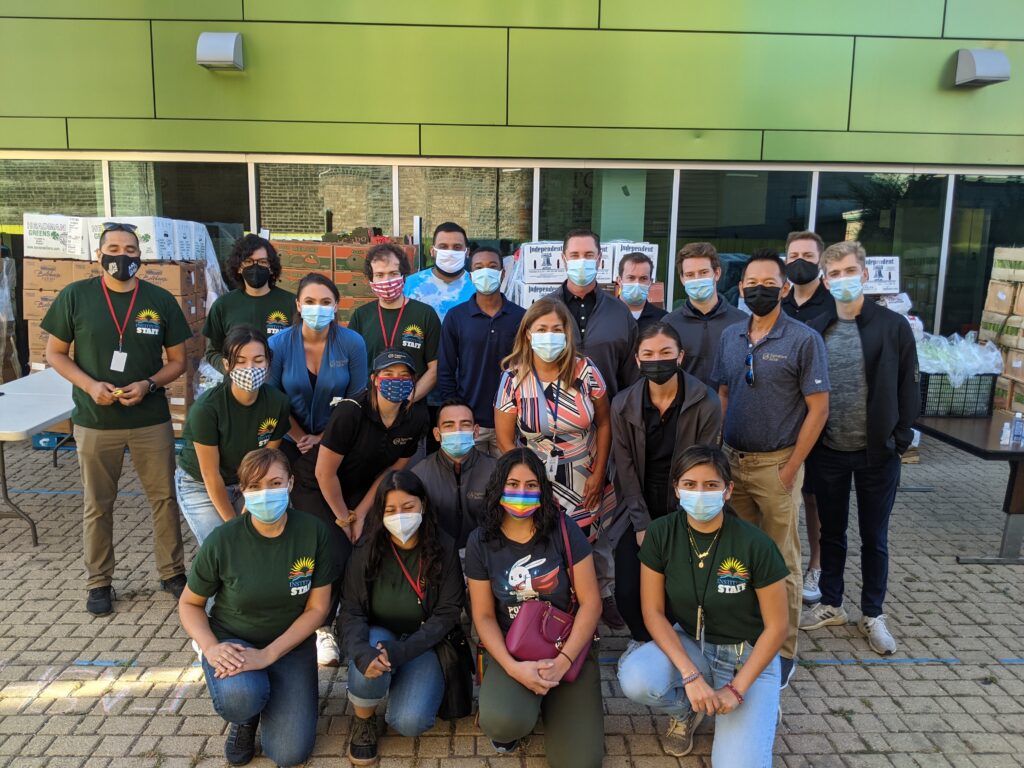
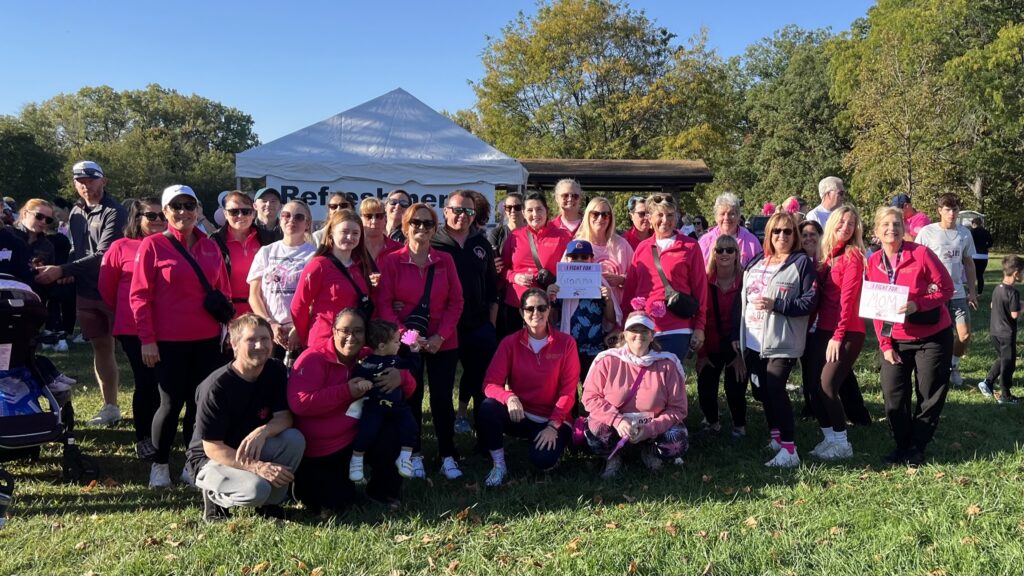
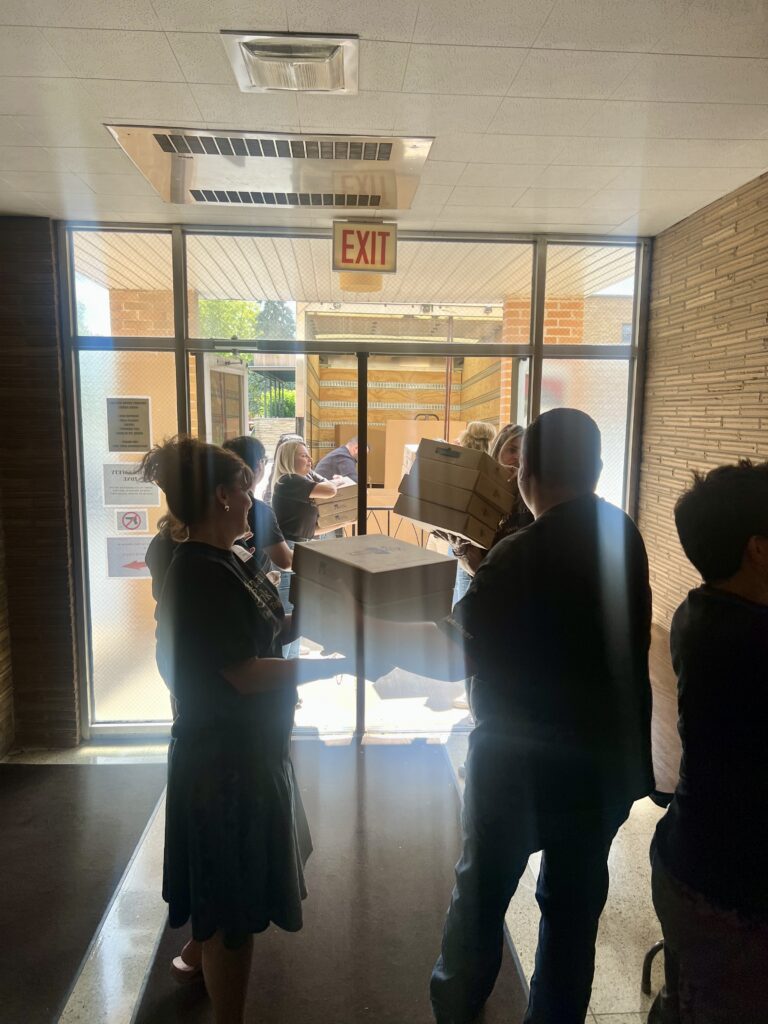
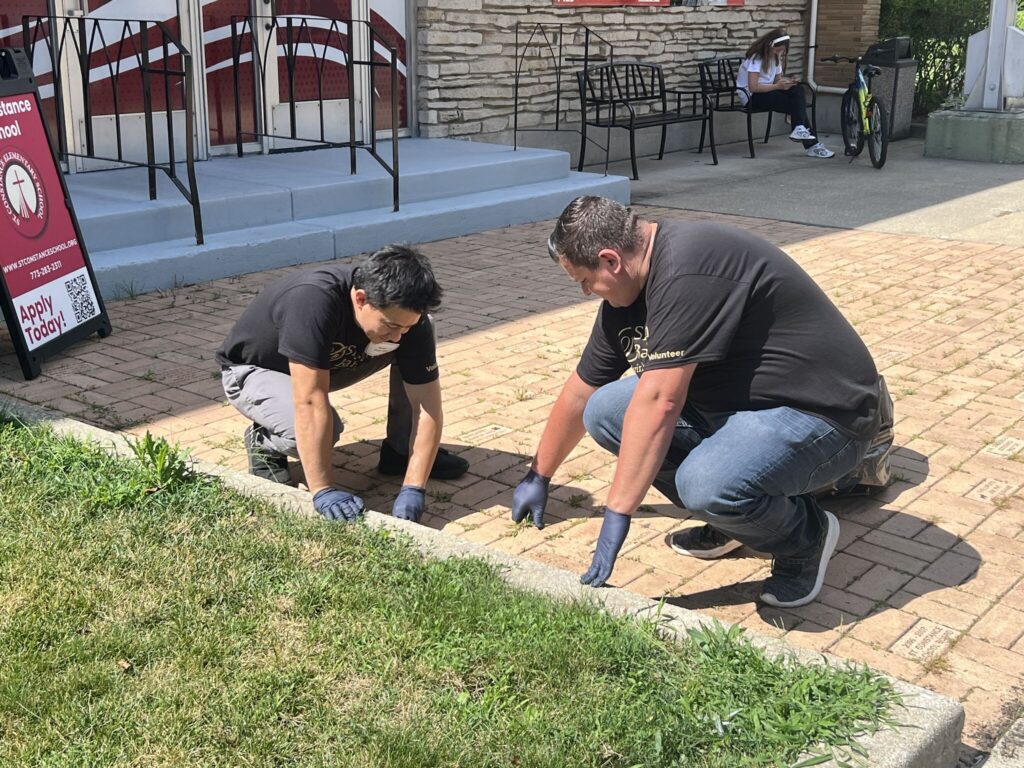
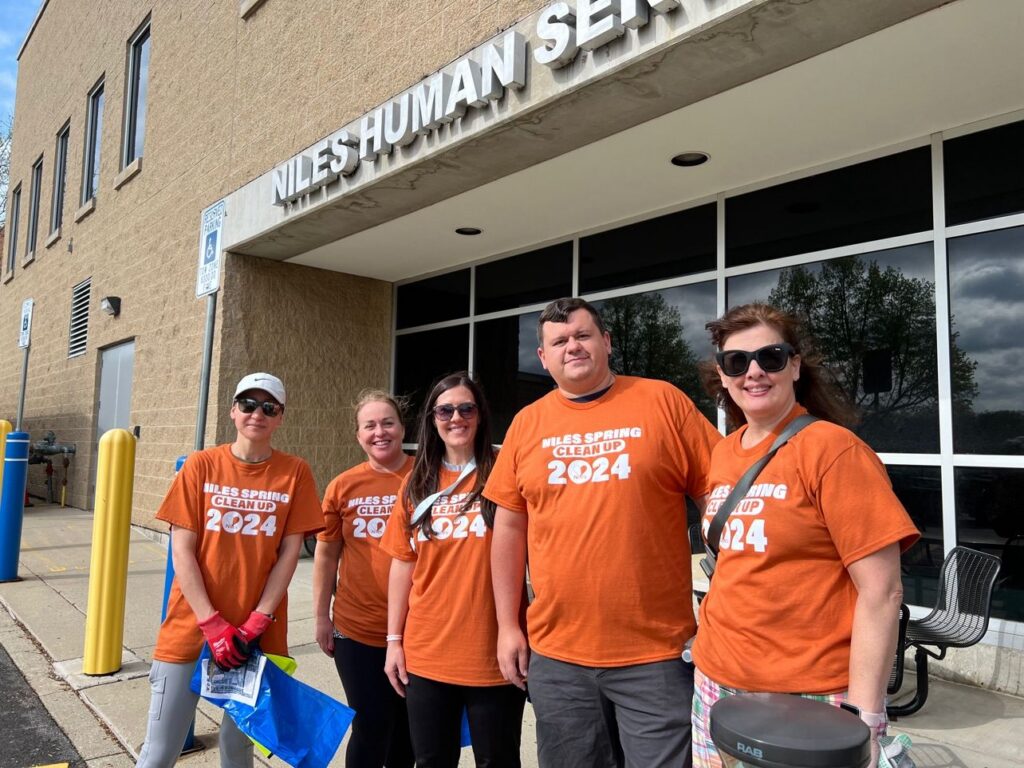
That sentiment extends well beyond leadership. Community involvement has become part of who the team is, showing up in countless ways across every branch and every season of the year, from organizing food and Thanksgiving donation drives for A Just Harvest Food Pantry and joining the Village of Niles spring community cleanup, to volunteering at Border Tails Rescue and so much more.

“Some of the most meaningful moments happen when employees come together for causes they care about,” said Wynne Terlizzi, Vice President of Treasury Management Client Service and Support Manager and an active leader in many of the Signature’s volunteer efforts. “Those efforts reflect the kind of team we have built here.”

Since 2006, Signature has contributed more than $1.33 million in support across more than 1,000 organizations. Each contribution serves a different mission, but all share a common thread: strengthening the communities where the Signature’s employees and clients live and work.

Continuing the commitment

In the past two decades, our financial institution has grown, but our underlying philosophy remains unchanged: success should be shared.

“The relationships we’ve built over the past two decades extend well beyond banking,” said O’Rourke. “Our clients are part of these communities, our employees raise their families here and the organizations we support help make these places stronger.”

Looking ahead, Signature plans to continue investing in organizations that create meaningful impact, whether through financial support, volunteer service or long-term partnerships.

Because when a financial institution grows alongside the communities it serves, the benefits reach far beyond business. That was true in 2006, and it remains true today.

Customer spotlight: Reimagining what’s possible in commercial real estate financing

Across Chicago, Milwaukee and communities throughout the Midwest, vacant commercial buildings tell two stories: one of shifting markets – and one of opportunity. Former gyms, restaurants and big-box stores sit empty, waiting for the right vision to give them new purpose.

Successful redevelopment requires more than capital. It requires a commercial real estate partner who understands entrepreneurial decision-making, complex approvals and nontraditional financing structures.

“Signature’s Commercial Real Estate team partners with business owners and investors who are reimagining underutilized spaces for new uses that serve surrounding communities,” said Kevin Bastuga, Executive Vice President of Signature, a division of Esquire Bank, N.A. “We also work with clients developing new projects from the ground up or refinancing existing properties – staying engaged from concept through completion.”

Led by Steven Vernon III, SVP and Group Head of Commercial Real Estate, the team brings both discipline and creativity to projects that demand thoughtful execution.

Banking built for entrepreneurs, by entrepreneurs

Signature brings an entrepreneurial mindset to commercial real estate lending. Rather than viewing unconventional projects as obstacles, our team approaches them as calculated opportunities – when supported by clear vision, planning and partnership.

Many of today’s most compelling developments involve repositioning properties that no longer fit their original purpose. These projects often require flexibility, trust and early involvement from a lender.

“The thing about real estate is that there’s always risk,” Vernon noted. “You have to believe in the property, believe in the borrower, and believe they can execute on their vision.”

That belief – grounded in careful underwriting and deep experience – has helped support projects that reshape neighborhoods and create lasting impact.

Life-saving care restores vitality to a vacant fitness building

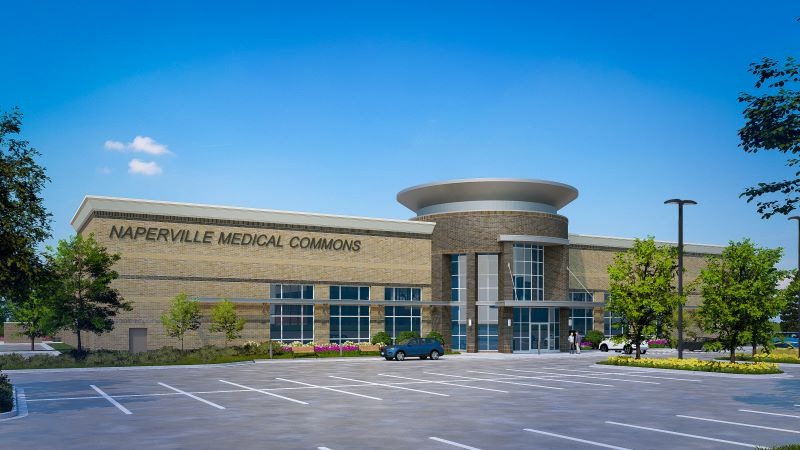
One recent example is the transformation of a vacant LA Fitness building in Naperville, IL, into a modern surgery center and outpatient medical office.

Rather than leaving a large empty building unused, Capital Healthcare Properties and HSG Medical saw potential. Their vision required more than cosmetic updates – it involved a full reimagining of the property, navigating approvals and aligning the project with a clear community healthcare need.

Photo credit: HSG Medical via REjournals.com.

Signature partnered with the development team early, structuring financing that aligned with the project’s complexity and timeline. The result is a healthcare facility that will deliver critical outpatient services while revitalizing a formerly dormant site.

Projects like this aren’t simple. Medical facilities introduce additional layers of complexity in planning, construction and regulatory approvals. But the right financial partner can play an essential role in helping investors move complex projects forward.

“Redevelopment projects of this nature are inherently entrepreneurial,” noted Vernon. “When successful, the outcome can change the landscape in positive and lasting ways, particularly when they serve a broader community need.”

Daniel Ahlering, managing partner for Capital Healthcare Properties, credits Signature with embracing their long-term vision.

“We entered one of the toughest and most volatile commercial real estate markets since the 2008 financial crisis,” said Ahlering. “At a time when most financial institutions were hesitant to onboard new client relationships, Signature recognized our track record and believed in our vision. They didn’t just understand our potential; they actively partnered with us by financing our first three projects.”

Turning a closed brewery into a new entertainment destination

In Chicago’s River North neighborhood, another vacant property is being repositioned – this time as an experiential entertainment destination.

The former Rock Bottom Brewery, which shut down in January 2023, is set to reopen in summer 2026 as an F1 Arcade – a dining and racing simulator concept inspired by Formula 1. The project transforms an empty restaurant into a high-energy destination that blends food, technology and entertainment.

Photo credit: whats_goodchicago via Instagram.

Signature provided financing to support redevelopment of the prominent location, helping ownership move quickly in a competitive urban market. The project reflects a broader shift in retail and dining toward experience-driven concepts – and the importance of working with a lender who understands how these evolving business models perform in real-world markets.

Vernon notes that many retail and restaurant projects today succeed by creating memorable experiences versus simply filling vacant square footage.

A different kind of partnership 

These redevelopment examples share a common thread: long-term partnership.

Signature’s Commercial Real Estate team prioritizes direct communication, responsiveness and access to decision-makers. Projects are evaluated individually – considering the borrower, the real estate investment strategy and how the project ultimately serves the surrounding community.

That relationship-based approach is especially valuable in today’s environment, where repositioning and adaptive reuse play an increasingly important role in commercial real estate strategy.

“When you have the right partner, you can reimagine what a space can be,” Vernon said. “And when that happens, you’re not just filling vacancies, you’re creating something that lasts.”

Bringing ideas and spaces to life in creative ways 

From healthcare facilities to experiential retail, Signature supports business owners and real estate investors across asset types and markets. The common thread is a shared ability to see opportunity in underutilized properties – and a disciplined path to bringing those visions to life.

“We’ve worked with Signature for over 15 years, and they’ve been true partners every step of the way,” said Kage Brown, chief investment officer and managing partner, Hubbard Street Group. “Steve Vernon and Kevin Bastuga have consistently delivered, providing thoughtful guidance, competitive lending terms and efficient closings. Their team understands our business and has been instrumental in our continued growth.”

“For 20 years, Signature has supported entrepreneurs who see possibility where others see risk,” said Bastuga. “That mindset continues to guide how we approach commercial real estate – with clarity, creativity and long-term commitment.”

Let’s start the conversation

Redevelopment begins with vision – and the right CRE banking partner.

If you’re evaluating a redevelopment project, exploring a repositioning opportunity, or considering refinancing or new development, connect with Steven Vernon to discuss how Signature approaches complex commercial real estate transactions.

Founder reflections: A 20-year journey in relationship banking

When Signature opened its doors in August 2006, three entrepreneurs set out with a clear and somewhat unconventional vision: build a commercial financial institution rooted in relationships – not transactions.

Mick O’Rourke, Kevin Bastuga and Bryan Duncan were seasoned commercial bankers, but they were entrepreneurs at heart. They raised capital, wrote a business plan and left established institutions to create something they believed was missing in the market – a financial institution built for entrepreneurs, by entrepreneurs.

Twenty years later, that conviction still defines Signature, a division of Esquire Bank.

Through economic expansion, recession, a global pandemic and industry-wide liquidity turbulence, Signature has remained grounded in the same belief: long-term success is built on trust – and trust is built through relationships.

Relationships with a capital “R”

From the beginning, the founders envisioned something different.

They saw privately held companies and multi-generational family businesses searching for financial partners who understood not just their balance sheets, but their stories. They believed business owners preferred to work with people who had taken risks themselves – who understood payroll pressure, succession planning and the weight of long-term decision-making.

That entrepreneurial empathy became the cornerstone of Signature’s model.

“Business owners appreciate when their partners understand their world,” said Kevin Bastuga. “We launched our own business. We’ve built payroll. We understand the pressures. That perspective impacts how you relate to clients.”

Relationship banking at Signature has never meant proximity alone. It means access to decision-makers. It means listening before advising. It means evaluating opportunities individually rather than through rigid formulas. It means staying present – especially when circumstances become difficult.

That philosophy has been tested repeatedly.

During the Great Recession, the founders ensured that Signature maintained disciplined underwriting while continuing to support qualified borrowers. During the COVID-19 pandemic, teams worked around the clock to ensure clients secured Paycheck Protection Program loans quickly and accurately. In 2023, when an unrelated institution with a similar name failed, Mick, Kevin and Bryan hit the phones – proactively calling clients to reassure them, provide clarity and affirm they were available for questions any time, day or night.

In each case, the result was the same: relationships endured because they had been built deliberately over time.

“When people think of the term relationship, they think about a relationship with a small r. When we use the word relationship, it’s relationship with a capital R,” said Mick.

For Signature’s executives, that distinction matters. A small “r” relationship may be transactional. A capital “R” relationship is built on consistency and accountability over time.

Relationships inside the financial institution

The founders’ vision for relationship banking was never limited to clients. From the beginning, Mick, Kevin and Bryan understood that Signature’s external strengths would depend on the strength of relationships internally.

They set the tone early: leadership would be accessible; titles would not create distance. No job would be beneath anyone. Accountability would be shared. If the financial institution was built on trust, that trust had to exist inside its walls first.

Over time, that example shaped the culture.

When employees describe Signature, one word surfaces consistently: family. It reflects a workplace where colleagues rely on one another, where leaders remain visible and approachable, and where success is collective.

For those who have been part of the financial institution since its earliest days, the 20-year milestone carries deep meaning. “This anniversary means everything to me. I’m honestly proud every single day,” commented one employee.

That pride is rooted in shared experiences – each year, over the years: the 2006 grand opening, annual holiday parties that welcome employees’ spouses and children, music festivals and boat excursions, and 5-10-15 milestone celebrations marking growth (not just in assets but in people). There’s the comedy of traditional annual white elephant exchanges, and reflective memories of the intense, around-the-clock effort during the pandemic when teams rallied to ensure clients received the support they needed. 

These moments are not incidental; they reinforce the culture.

Modern capabilities, enduring values

Over the past 20 years, commercial banking has changed dramatically and Mick, Kevin and Bryan ensured that Signature evolved alongside it.

From the beginning, the founders understood that strong relationships naturally expand over time. As clients grew, so did the complexity of their financial lives. Business owners were no longer seeking support solely for deposits and loans. They needed guidance around investment strategy, multi-generational wealth transfer, estate planning and fiduciary oversight.

Rather than refer those needs elsewhere, Signature chose to deepen the relationship.

The financial insitution expanded its Wealth Management offerings, strengthening its investment advisory capabilities and building a team focused on aligning financial strategies with clients’ broader personal and business goals. More recently, Signature launched Signature Trust Company, developed in partnership with Midwest Trust, bringing professional fiduciary and estate planning services into the bank’s relationship network.

“Our clients look to us for more than day-to-day banking. We’re here to serve that full financial picture for business and family operations,” said Bryan Duncan. “Expanding service lines was a natural extension of elevating our clients’ experiences.”

These expanded capabilities reflect – and strengthen – the financial institution’s relationship model.

Modernization has extended beyond advisory services. Digital platforms, real-time payments, enhanced treasury tools and layered fraud protection are now expected in commercial banking, and Signature has invested continuously in modernizing its digital and treasury capabilities to meet those expectations.

Yet technology has never been viewed as a replacement for relationships. It is an enabler.

Integrated systems reduce administrative burden so bankers can spend more time advising, anticipating needs and identifying risk. Modern tools create efficiency, but accessible leadership and direct communication preserve connection.

As Signature evolved – from services to technology – the executives made sure that one principle remained constant: modernization should always enrich the client experience, not diminish it.

Looking ahead: The next 20 years

For Mick, Kevin and Bryan, 20 years is a major milestone – and also a beginning.

“We wrote a business plan in 2005, and we’ve stayed remarkably consistent with it,” said Kevin Bastuga. “When you know who you are and who you serve, you don’t need to chase every trend. You just keep strengthening the relationships.”

The same mindset that led three bankers to leave secure careers and open a financial institution in 2006 still drives the organization forward. It is grounded in calculated risk, long-term thinking and personal accountability.

By remaining committed to relationship banking, Signature is positioned to consistently grow and excel in its service offerings, even as the industry evolves around it.

“We built this financial institution on relationships grounded in trust, on capabilities that evolve with purpose, and on leadership that remains accessible,” said Mick O’Rourke. “That was our vision in 2006. It’s still our vision today – and it’s what will guide us for the next 20 years.”

Customer Spotlight: Beyond the Numbers – How a multi-generational family business found a true banking partner for growth 

Benz Metal Products has always prioritized relationships and connections over transactions. It’s the foundation of their business.

The Menomonee Falls, Wisconsin, metal fabrication company, now led by third-generation owners Jake, Joe and Jason van der Kooy, has built its reputation on trust and long-term partnerships. Every team member plays a role in building and maintaining customer relationships.

Over the past 50 years, the family-owned business has grown largely through referrals rather than traditional sales efforts. That relationship-first mindset shapes every part of the business, including the partners they choose, who are flexible and willing to adapt and grow with them. 

That includes Signature, a division of Esquire Bank. 

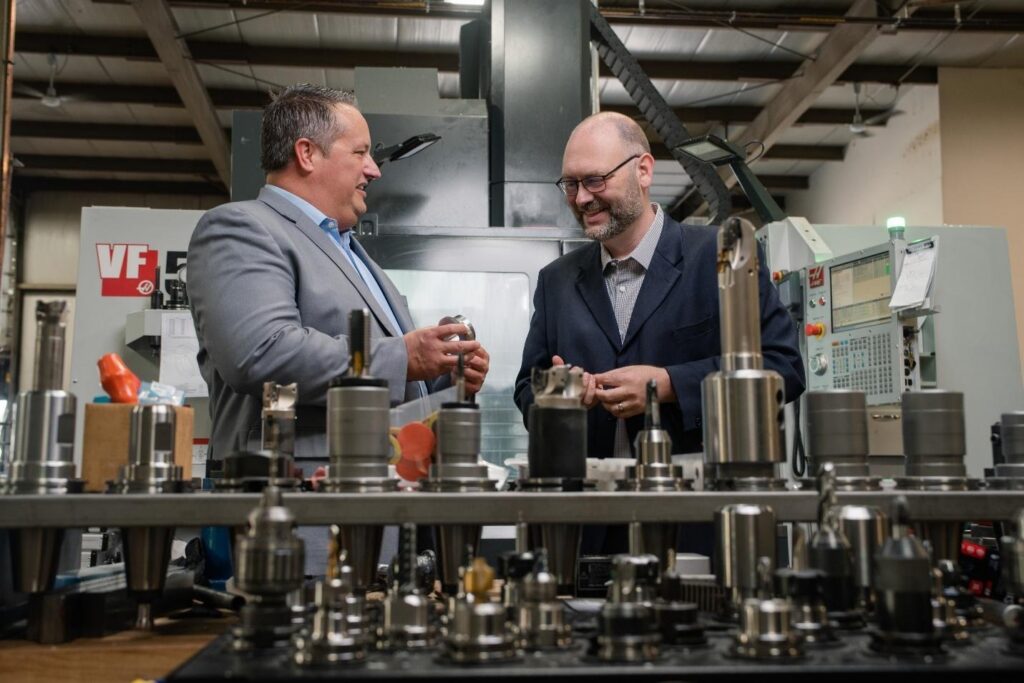
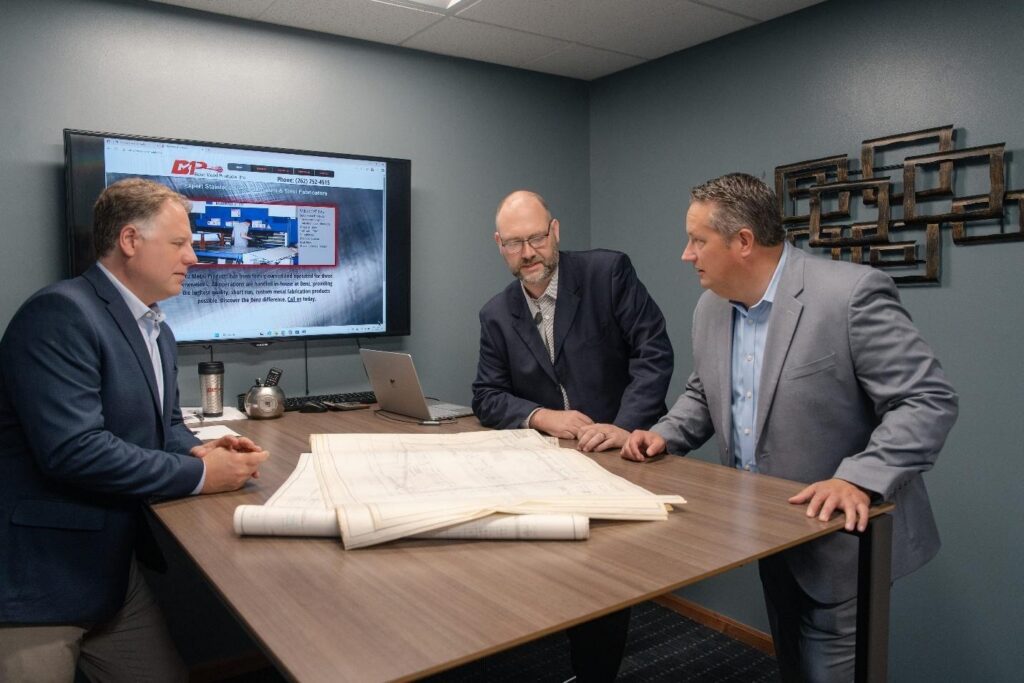
Image: Brad Kranich, Senior Vice President and Division Head, Signature (left), with Jake van der Kooy, CEO of Benz Metal Products (middle) and Erik Doucette, Vice President of Signature in Wisconsin.

Seeing more than the numbers

For much of its history, Benz Metal viewed banking primarily as a transactional necessity. The company had changed financial institutions only twice in over 50 years. 

When Benz Metal ultimately switched to Signature, they were struck by our approach. Rather than leading with spreadsheets and formulas, our team focused on learning the business. We asked about customers, growth plans, operations and leadership. We took time to understand how decisions are made and why.

Benz Metal said it was the first time a financial institution had looked beyond metrics and invested in the bigger picture. That approach aligned with how they do business.

“Signature was the first financial institution that saw our whole story, more than just black and white numbers,” said Jake van der Kooy, CEO of Benz Metal. “Signature invested in our family business, trusting how we operate. That’s an incredibly innovative approach.”

That understanding and trust didn’t begin in a boardroom. It started as a casual friendship formed between Jake and a Signature employee while watching their sons play football.

From community connection to partnership

“What began as a personal connection became a business relationship,” said Brad Kranich, Senior Vice President and Division Head at Signature. “Over time, conversations shifted from football and family to their business and its direction.”  

There was no sales pitch and no pressure, just straightforward conversations and a clearer understanding of Benz Metal’s business. 

By the time Benz Metal was ready to explore financing for new equipment and facility expansion, the relationship with Signature was already in place. Discussions felt collaborative, not transactional. And decisions were straightforward, guided by mutual understanding rather than rigid processes.

When trust removes friction

Benz Metal said one of the most meaningful outcomes of the partnership has been the ease of working with Signature. Instead of navigating layers of emails and approvals, conversations are direct. Questions are handled quickly. And the focus stays on the business.

That efficiency matters. It allows the Benz Metal team to focus on running operations, supporting customers and planning for growth rather than getting caught in administrative back-and-forth. It also reflects trust.

Benz Metal has control over its decisions, whether that means investing in equipment, upgrading technology or responding quickly to customer needs. The team knows what’s best for the business, without having to justify every move or navigate unnecessary hurdles.

That assurance is especially meaningful for a third-generation, family-owned company. Benz Metal is focused on building for the long term and growing in ways that support the future of the business.

“By taking the time to understand how the family operates and how decisions are made, we pride ourselves on being a true partner, not just another lender or service provider,” said Mick O’Rourke, President of Signature, a division of Esquire Bank, N.A. “We’re a trusted supporter of the business and the people behind it.”

Building what comes next

As Benz Metal continues to grow and evolve, the company remains focused on what has always mattered most: relationships, quality and long-term thinking.

With Signature alongside them, Benz Metal is positioned to continue growing while staying true to how the business has always operated. Because when a bank looks beyond the numbers, it can help a business build what comes next.

Let’s start the conversation

When a financial institution understands the story behind your business, better opportunities follow. If you’re exploring your next phase of growth, connect with Signature to start a conversation about how relationship banking can support your plans. Contact us to get started.

What does modern banking look like? Personal relationships, powered by innovation.

Businesses manage money differently than they did a decade ago. As operations have evolved, so have expectations. Faster payments, real-time cash visibility and stronger fraud protection are no longer optional; they are essential to staying competitive and secure.

Yet modern banking isn’t defined by technology alone. It’s defined by how technology enables stronger client relationships.

At Signature, a division of Esquire Bank, we view digital innovation as the foundation that makes personalized commercial banking stronger. When systems integrate seamlessly and data flows in real time, our teams spend less time on manual processes and more time advising clients, identifying risk and uncovering opportunity.

That philosophy guides our continued investments in digital banking and treasury capabilities, ensuring innovation enhances the high-touch service our clients rely on.

So what does modern banking — with a personal touch — really look like? It’s trusted relationships backed by the right tools, real-time insight and experienced guidance that empower business leaders to make confident financial decisions.

Banking built for how businesses actually operate 

Treasury management has shifted from a back-office function to a strategic driver of operational efficiency, forecasting and enterprise risk management.

Businesses today should expect more than transaction processing. They should expect:

  • Seamless integration with ERP and accounting systems
  • Automated payment workflows that reduce manual effort
  • Real-time reporting and cash visibility
  • Strong internal controls and layered fraud protection
  • A treasury team that adds true value through discovery — not just implementation

Our process begins by understanding how a business actually operates. We roll up our sleeves, evaluate workflows, identify inefficiencies and uncover potential risks — then design solutions that fit into a client’s systems. 

That often includes helping businesses transition from paper-based payments to automated environments using ACH, virtual card payments and integrated payables platforms. Automation reduces manual steps, lowers the risk of error and fraud, and frees internal teams to focus on strategic priorities that improve cash flow and long-term performance.

Technology delivered with a personal touch

Delivering advanced tools is only the starting point. What sets us apart is how we implement and support them.

“Upgrading our digital banking platform was about more than adding new features — it was about making life easier and safer for our clients,” said Penny Foust, CTP, senior vice president of Treasury Management at Signature. “Efficiency, security and insights are critical, but they only matter if businesses know how to put them to work. That’s where our team comes in. We don’t just hand over technology; we walk side by side with our clients to make sure these tools help their businesses run stronger every day.”

That hands-on philosophy shapes how we engage with clients. We work closely with controllers, CFOs and business leaders across industries — from manufacturing to professional services — to understand their processes, challenges and growth goals before recommending solutions. In many cases, that means rethinking workflows from the ground up and serving as an extension of a client’s internal team.

“Technology has changed everything about banking, from paper-based processes to real-time data and automation. But what hasn’t changed is that it’s still a people business. Technology only creates value when it’s paired with relationships, trust and a deep understanding of how our clients truly operate,” said Foust.

Innovation with security at the core

As digital capabilities expand, so does the fraud landscape. Real-time payments, APIs and system integrations introduce new efficiencies but also increase the importance of strong controls and informed oversight.  

It’s an unfortunate reality: the majority of businesses experience payment fraud in some form. Companies often have just one business day to identify and report unauthorized transactions before they become unrecoverable. Artificial intelligence has also introduced new threats, including digital impersonation and voice replication schemes.

That’s why we view security and fraud controls as integral to innovation, not add-ons or afterthoughts. Signature’s digital and treasury solutions are designed with security embedded from the start, including:

  • Multi-factor authentication and layered access controls
  • Real-time monitoring and proactive alerts
  • Positive pay and advanced payment verification tools
  • Internal fraud mitigation controls
  • Ongoing education around emerging cybersecurity risks

Technology can flag potential risk, but it’s the people behind it who help prevent problems and keep business moving. Even the most advanced fraud detection tools require experienced oversight. When something appears unusual, our clients don’t navigate automated responses alone. They hear directly from someone who understands their business and can step in quickly to assess and respond.

Personalized banking, powered by agility

While many financial institutions offer digital platforms, fewer offer true partnership.

“At Signature, our technology exists to support banker-client relationships,” said Bryan Duncan, Executive Vice President of Signature, a division of Esquire Bank, N.A. “Our treasury, operations, IT and lending teams collaborate closely to ensure digital tools, fraud protections and financing strategies align with our client’s broader goals.”

Signature operates with a team-based approach, which means that clients benefit from continuity and direct access to decision-makers. In an industry where banker turnover can disrupt service, our structure prioritizes long-term relationships and shared institutional knowledge.

That alignment also allows us to move quickly. Without unnecessary layers of bureaucracy, we can refine workflows, customize reporting and deploy enhancements efficiently. Clients don’t navigate red tape — they work directly with professionals who understand their business and can act decisively.

“We will continue investing in digital tools that strengthen efficiency and protection,” added Duncan. “And we will pair those tools with experienced professionals who listen, advise and stand beside our clients as their businesses grow.”
Twenty years of evolving – and listening

As we celebrate 20 years of serving our clients, we recognize how dramatically commercial banking has changed. Processes that once relied on paper and manual approvals now operate in real time, connected through secure digital ecosystems.

But one principle has remained constant: strong financial relationships are built on trust, insight and accessibility.

“We aren’t just deploying technology,” Foust said. “We’re building financial ecosystems that are dynamic, secure and deeply relationship-driven.  That combination — innovation and high-touch service — is what modern banking should look like because it’s in the best interest of our customers.”
Let’s start the conversation

If you’re evaluating whether your current banking relationship delivers the integration, automation and fraud protection your business needs — along with the personalized guidance you deserve — we invite you to start the conversation.

Let’s discuss how modern treasury and digital solutions, backed by a relationship-driven team, can support your next chapter of growth. Contact us to get started.

Strengthening ACH fraud detection: What businesses need to know about Nacha’s 2026 rule changes

ACH (Automated Clearing House) payments are a vital part of how businesses pay employees, vendors and partners. As usage has grown, so have fraud attempts targeting ACH transactions – especially scams like business email compromise (BEC), vendor impersonation and payroll redirection.

To address these risks, Nacha announced new Risk Management Rules effective March 20th, 2026. These changes are designed to reduce ACH fraud, improve visibility into payment activity and strengthen the industry’s ability to recover funds when fraud occurs.

Below is an overview of what’s changing and what your business can do to prepare.

Why Nacha is updating the rules

The new rules reflect Nacha’s broader effort to:

  • Combat evolving fraud schemes – especially scams where fraudsters trick businesses or employees into sending legitimate ACH payments under false information.
  • Improve transparency across the ACH network – so that financial institutions can easily identify, flag and respond to suspicious activity.
  • Enhance fund recovery efforts – by making it easier to trace and react quickly when fraudulent transactions occur.

In short, these changes are about making the ACH network safer and more resilient for everyone who sends or receives payments.

Key changes businesses should understand

1. New fraud monitoring requirements
Nacha is requiring ACH participants to implement risk-based monitoring to better detect and prevent fraudulent ACH activity.

For businesses, this means your financial institution and service providers will be expected to:

  • Monitor payment patterns and behaviors for unusual or high-risk activity
  • Use tools and controls that help identify potential fraud
  • Respond quickly when suspicious transactions appear

While much of the technical monitoring occurs at the bank or processor level, businesses play an important role by reviewing their own ACH activity and using available fraud-prevention tools.

2. Who’s affected and when
The new requirements will be rolled out in two phases:

  • Phase 1 – March 20, 2026
    • Applies to high-volume Originators, ODFIs (Originating Depository Financial Institutions) and RDFIs (Receiving Depository Financial Institutions).
  • Phase 2 – June 19, 2026
    • Extends to all remaining participants in the ACH network.

If your business originates a significant volume of ACH payments, you may be impacted sooner, particularly through your bank’s enhanced monitoring and risk controls.

3. New definition of “False Pretenses”
Nacha is introducing a clearer definition of “False Pretenses” to directly address fraud that occurs when payments are initiated based on deceptive information rather than unauthorized account access.

This includes scams such as:

  • Vendor impersonation – A fraudster pretends to be a known supplier and asks you to change bank details.
  • Business email compromise (BEC) – Criminals gain access to or spoof a company email account and send convincing payment instructions.
  • Payroll redirection schemes – An attacker poses as an employee and requests changes to direct deposit information.

By defining “False Pretenses,” Nacha is recognizing that not all fraud involves a “hacked” account – often, the payment itself is “authorized” but based on false information. The new rules aim to support better prevention and stronger pathways for dispute and recovery.

4. Standardized entry descriptions: PAYROLL and PURCHASE
To improve clarity and make it easier to monitor transactions, Nacha will require standardized descriptions for certain ACH entries:

  • PAYROLL – Used for payroll-related payments, such as employee direct deposits.
  • PURCHASE – Used for purchase-related payments, such as vendor or supplier payments.

These standard entry descriptions help:

  • Enhance transparency into the purpose of each payment
  • Improve monitoring and analytics for fraud detection
  • Support faster identification of unusual or out-of-pattern transactions

For businesses, this may mean working with your bank or payroll/ERP provider to ensure the correct use of these descriptions in your ACH files.

What your business can do now

1. Review your current ACH processes

  • Evaluate how ACH payments are originated, approved and reconciled.
  • Identify any gaps where a fraudulent payment request could slip through—for example, a single person who can both set up and approve new vendors.

2. Strengthen internal controls

  • Require dual approval for new vendors, changes to vendor bank details and high-dollar payments.
  • Implement callback or out-of-band verification for changes to payment instructions.
  • Ensure payroll, AP and finance teams are trained to recognize red flags like urgent or secretive requests.

3. Coordinate across teams
Compliance, finance, operations and IT should work together to:

  • Align internal procedures with the upcoming Nacha standards
  • Document and regularly test fraud-prevention controls
  • Confirm that vendor management and payroll processes include verification steps for bank account changes

4. Engage early with your bank and providers

  • Discuss how your bank, ERP, payroll provider or AP automation platform will support the new Nacha rules.
  • Confirm that your systems will be ready for any file-format or description changes (such as PAYROLL and PURCHASE).
  • Ask about available monitoring tools, alerts and reporting to help you detect unusual ACH activity.

How Signature can help
At Signature, a division of Esquire Bank, protecting your business from payments fraud is a core priority. Our solutions are built to help you meet evolving Nacha requirements while keeping your operations efficient and secure.

Key tools and capabilities include:

  • Positive Pay – Adds a critical layer of protection to help detect unauthorized or altered checks and or ACH debits before funds are released.
  • ACH monitoring & controls – Supports risk-based review of ACH activity, including filters, blocks and alerts tailored to your business.
  • Finrails® Technology – Integrates AP automation with bank-backed controls, giving you greater visibility, audit trails and security around your payments.

Whether you are already originating ACH transactions or considering additional automation, our team can work with you to:

  • Review your current ACH setup and controls
  • Help you understand how Nacha’s 2026 changes apply to your organization
  • Recommend practical steps to reduce fraud risk and improve compliance

If you would like assistance evaluating your ACH processes or fraud-prevention tools, please contact your Signature Relationship Manager.

For additional guidance and answers to commonly asked questions, please click here. Staying ahead of Nacha rules changes now can help your business operate with greater confidence, stronger controls and a more resilient payments environment in the years ahead.

Is your business prepared for the fraud you don’t see coming?

Nearly 8 in 10 organizations were targeted by payment fraud last year – and most didn’t recover their losses.

For many business owners, payment fraud still feels like something that happens to someone else. Until it happens to you.

The truth is, fraud isn’t just growing – it’s getting smarter. Sophisticated tactics like altered checks, fake vendor ACH debits and business email compromise are costing businesses time, money, process disruption and potential reputational damage. And while larger companies often have robust fraud teams, smaller and mid-sized businesses are increasingly being targeted because criminals know they may lack strong controls.

At Signature, a division of Esquire Bank, we believe every business deserves the tools to defend itself – and that starts with Positive Pay Fraud Protection.

What is Positive Pay?
Positive Pay is a low-cost, automated fraud detection service that screens incoming payments – both checks and ACH – against a list of what your company has authorized. If a payment doesn’t match the details you’ve provided (think: wrong amount, wrong vendor, wrong check number), you get an alert and decide whether to approve or reject it.

Think of it as your early warning system – one that works around the clock and doesn’t let fraud slip through unnoticed.

So why aren’t more businesses using it?
It’s a question we hear often, even from our own clients. Many businesses assume their current accounting software or manual review process is “good enough.” Some have never experienced fraud and don’t see the urgency. Others are simply unsure of the setup process or assume it will be time-consuming and cost prohibited.

Here’s the reality: Only 22% of organizations that were victims of payment fraud in 2024 were able to recover 75% or more of their losses. That means for most, once the money’s gone – it’s gone.

Signature makes it easy
We’ve made it our mission to take the friction frustration out of fraud protection. Signature’s Treasury Management team works directly with clients to implement Positive Pay quickly and painlessly. We help you define the right rules, configure alerts, and ensure your files are being submitted securely and accurately.

What sets us apart is our hands-on approach.
You’re not expected to handle fraud detection alone. We monitor suspicious activity with you – and when something doesn’t look right, you’re not just getting an automated email. You’re getting a partner.

Whether you prefer to submit check files online or transmit them securely via SFTP, we’ve got the flexibility to meet your workflow.

Three ways Positive Pay protects you

  • ACH Positive Pay
    Create rules for vendors, transaction types and dollar limits. We flag or block anything outside your parameters and alert you when action is needed.
  • Check Positive Pay
    Prevent altered, forged, or duplicate checks by matching payee, amount and check number against your issued file.
  • Reverse Positive Pay
    Want more control? We’ll send you a list of cleared checks for review – so you can approve or reject based on your own thresholds.

Don’t wait for fraud to happen
Positive Pay isn’t just a defense mechanism. It’s peace of mind. It’s control. It’s knowing that you have someone in your corner when the stakes are high.

If your business isn’t using Positive Pay yet, now is the time to act. Fraud is no longer a someday problem – it’s here. And it’s growing.

Contact Penny Foust
773-499-7157

Let’s protect what you’ve built.

Don’t let holiday scams steal your cheer: How to stay safe this season

The holiday season is filled with celebrations and time to unwind with family and friends. But it also offers more ways to shop, give and travel, creating opportunities for scammers to steal personal and financial information. Fraud isn’t just growing — it’s getting smarter.

In 2024, the Federal Trade Commission (FTC) reported record-breaking losses — $12.5 billion — with imposter scams among the costliest fraud types. As criminals use increasingly advanced tools, it’s more important than ever to stay vigilant. The following tips can help you protect yourself, your devices and your accounts throughout the busy season.

Common holiday scams to watch this season

Phishing, smishing and imposter messages
Scammers send emails (phishing) or texts (smishing) that appear to be shipping alerts, purchase confirmations or bank notifications. Many now use artificial intelligence (AI) to mimic real brands, making links and language look more convincing.

Tips to stay safe: Never click any links in messages you did not expect to receive. Go directly to the company’s website instead.

Fake online stores and social media seller scams
Fraudsters create storefronts with professional photos and steep discounts. But they have no intention of delivering products. Others pose as sellers on social platforms and request payment outside secure channels.

Tips to stay safe: Carefully check website URLs, review the return policy and research the company before entering payment information.

Package-delivery scams
Fake USPS, UPS and FedEx notifications are especially common during the holidays. These messages often include urgent language and tracking links. If you receive a package you didn’t order, it may also indicate that someone is testing stolen personal information.

Tips to stay safe: Avoid clicking links in package-delivery emails. Visit the carrier’s official site and enter your tracking information manually. If you receive a package you didn’t order, check your accounts for unfamiliar charges and update passwords on sites where you shop.

Gift card scams
Scammers pressure consumers to pay with gift cards because the funds are hard to trace and difficult to recover. Criminals also sometimes tamper with gift card packaging, recording the card and PIN information before the card is purchased.

Tips to stay safe: Inspect packaging closely and keep receipts until the card is used. Be cautious of emails, phone calls or texts demanding payment via gift cards. 

Charity fraud
The holidays bring an increase in both charitable giving and fraudulent fundraising requests. Scammers often create fake websites or impersonate real organizations to solicit donations.

Tips to stay safe: Confirm the charity’s name, website and registration before donating. Avoid urgent requests or pressure to give.

Travel scams and cybersecurity risks
Holiday travel often leads to fraudulent rental listings, fake confirmation emails and malicious Wi-Fi hotspots, which can put both your plans and your personal information at risk.

Tips to stay safe: Be cautious about deals advertised through pop-ups or on unfamiliar travel sites. When you’re on the go, keep devices secure, avoid public charging stations and turn off auto-connect settings to prevent criminals from accessing your device.

How to protect yourself this holiday season

Update and secure your devices
Keeping your operating system, apps and antivirus software up to date is one of the easiest ways to protect your information. Updates fix security flaws and help block malware. Consider turning on automatic updates. Lock your device when not in use and set a strong passcode.

Use strong authentication
Usernames and passwords alone aren’t enough to secure your accounts, such as email, banking and shopping apps. Enable multifactor authentication to add an extra layer of protection and reduce the risk of account takeover.

Shop and browse safely
Avoid making purchases or entering passwords on public Wi-Fi. Use trusted websites and type in URLs directly when possible. Stick with secure payment methods such as credit cards, which offer stronger fraud protections and don’t draw directly from your bank account. Monitor your accounts regularly and enable transaction alerts so you’re notified of unusual activity.

Avoid risky charging and connections
Never plug your phone into public USB charging stations at airports or hotels. Criminals can install malware through those ports. Use your own charging adapter connected to a wall outlet, and turn off auto-connect for Wi-Fi, Bluetooth and near-field communication to prevent unwanted connections.

Declutter your digital life
Delete apps you no longer use and keep the ones you do use up to date. Review permissions for location, camera and microphone to ensure each app has only the access it needs. Purge old files you no longer need and review privacy settings on accounts you use to shop or socialize.

Secure your home network
Use strong encryption and update your router’s firmware to protect devices connected to your home Wi-Fi. A secure home network helps block cyberattacks and protect sensitive information.

How Signature helps safeguard your accounts

Signature, a division of Esquire Bank, uses layered security, account monitoring and fraud-prevention tools to help protect your financial information. If you notice unusual activity or receive a suspicious message that appears to come from us, please contact us immediately at 773-467-5600. Quick action can help prevent losses and keep your accounts secure.

What to do if you think you’ve been targeted

If you believe you’ve been a victim or interacted with a fraudster, follow these steps:

  • Stop communicating immediately
  • Change passwords
  • Enable multifactor authentication
  • Run an antivirus scan
  • Report the incident to the FTC at ReportFraud.ftc.gov
  • Call us immediately at 773-467-5600 so we can help monitor and protect your accounts

A little preparation can make a big difference. By staying alert, updating your devices and using safe online practices, you can protect your information and enjoy a more secure holiday season.

Business owners face additional fraud and cybersecurity risks during the holiday season.

Holiday cyber risks that target businesses

The end of the year brings increased invoice processing, payment activity and charitable giving, which can attract scammers seeking access to business funds or systems. Nearly 8 in 10 organizations were targeted by payment fraud last year, and only 22% of those affected recovered most of their losses. Below are some of the most common risks companies face during the holidays, along with steps to help reduce them.

Business email compromise
Fraudsters impersonate executives or vendors and request urgent wire transfers or changes to payment instructions.

Vendor and invoice scams
Criminals send fake invoices or claim a vendor’s bank account has changed. Always verify changes through a known phone number.

Seasonal hiring and payroll fraud
Fake applicants submit attachments that contain malware or request redirection of paychecks.

How to strengthen your defenses

  • Train employees on phishing scams and secure internet use
  • Use role-based access controls to restrict access to sensitive data
  • Turn on multifactor authentication across systems
  • Require dual control for outbound payments, requiring two authorized users to approve transactions before funds are sent
  • Maintain secure Wi-Fi networks
  • Implement automated backups and data recovery plans

Shifting from paper checks to alternative payment methods: Is your business ready? 

The U.S. Treasury is ending paper checks — here’s what you need to know

Starting September 30, 2025, the U.S. Treasury will officially stop issuing paper checks for federal payments, including vendor disbursements, tax refunds and benefit payments. This move is part of a broader effort to reduce fraud, increase efficiency and support the ongoing digital transformation of financial services.

Read this ABA announcement for more information.

Paper checks have long been considered slow, costly and vulnerable to fraud. With this federal shift, now is the time for businesses to explore smarter, more secure payment options. At Signature, a division of Esquire Bank, we’re helping clients make the transition with confidence.

Why the transition away from checks matters

Paper checks introduce delays, require manual processing and are increasingly targeted in fraud schemes. According to AFP’s 2025 survey, 63% of organizations reported check fraud in 2024— making it the most commonly targeted payment method. The U.S. Treasury’s decision to phase them out is a clear signal: digital payments are no longer optional — they’re the new standard.

Signature offers trusted alternatives

Signature, a division of Esquire Bank, partners with small and medium-sized businesses to provide modern, secure payment solutions that help you keep pace with today’s financial environment. From ACH payments to advanced automation tools, we’re here to support your transition from checks with efficiency and expertise.

  • ACH transfers are a reliable, low-cost way to pay vendors, process payroll and remit taxes. They offer a secure and timely alternative to paper checks, with better tracking and fewer delays.
  • Our Signature Visa® Corporate Card Program offers powerful solutions for managing expenses at any scale. Whether you’re a small business looking for flexibility or a larger organization needing more robust controls, we’ve got you covered.
    • Business Cards provide everyday convenience with expense tracking tools, spending limits and built-in fraud protection — ideal for businesses handling variable costs or recurring payments.
    • Corporate Cards are tailored for larger companies with multiple employees, offering advanced reporting, centralized billing and customizable user controls to streamline expense management and improve oversight.

Learn more strategies to protect your business from fraud

Talk with a payments expert

We understand that switching payment methods can raise questions. That’s why our team of payment specialists is here to help. Whether you’re looking to streamline operations, reduce risk or modernize your AP process, we’ll help you identify the best solution for your business.